 sales@wildnetedge.com
 +1 (212) 901 8616
 +1 (437) 225-7733
















































































































 ChatGPT Development & Enablement
  Hire AI & ChatGPT Experts
  ChatGPT Apps by Industry
  ChatGPT Blog
  ChatGPT Case study
  AI Development Services
  Industry AI Solutions
  AI Consulting & Research
  Automation & Intelligence





TL;DR
This article examines the central role of the Internet of Things (IoT) in driving the evolution of smart homes. It explains how IoT in smart homes connects everyday appliances and systems, lighting, heating, and security, creating an integrated and automated living environment. The guide details the significant benefits for homeowners, including enhanced convenience through remote control, improved energy efficiency via smart thermostats and lighting, and increased security with connected cameras and locks. It discusses the underlying technologies and the importance of interoperability between various connected home devices. For businesses in the sector, embracing IoT home automation is presented as essential for meeting consumer demand and developing innovative, future-ready products and services.
Our homes are becoming smarter. What started with programmable thermostats has evolved into a fully connected ecosystem where lighting, security, entertainment, and appliances can all communicate and be controlled remotely. The technology making this possible is the Internet of Things (IoT), and its integration is fundamentally redefining modern living. Understanding the impact of IoT in smart homes is key for homeowners seeking convenience and businesses aiming to innovate in this rapidly growing market.
What is IoT in Smart Homes?
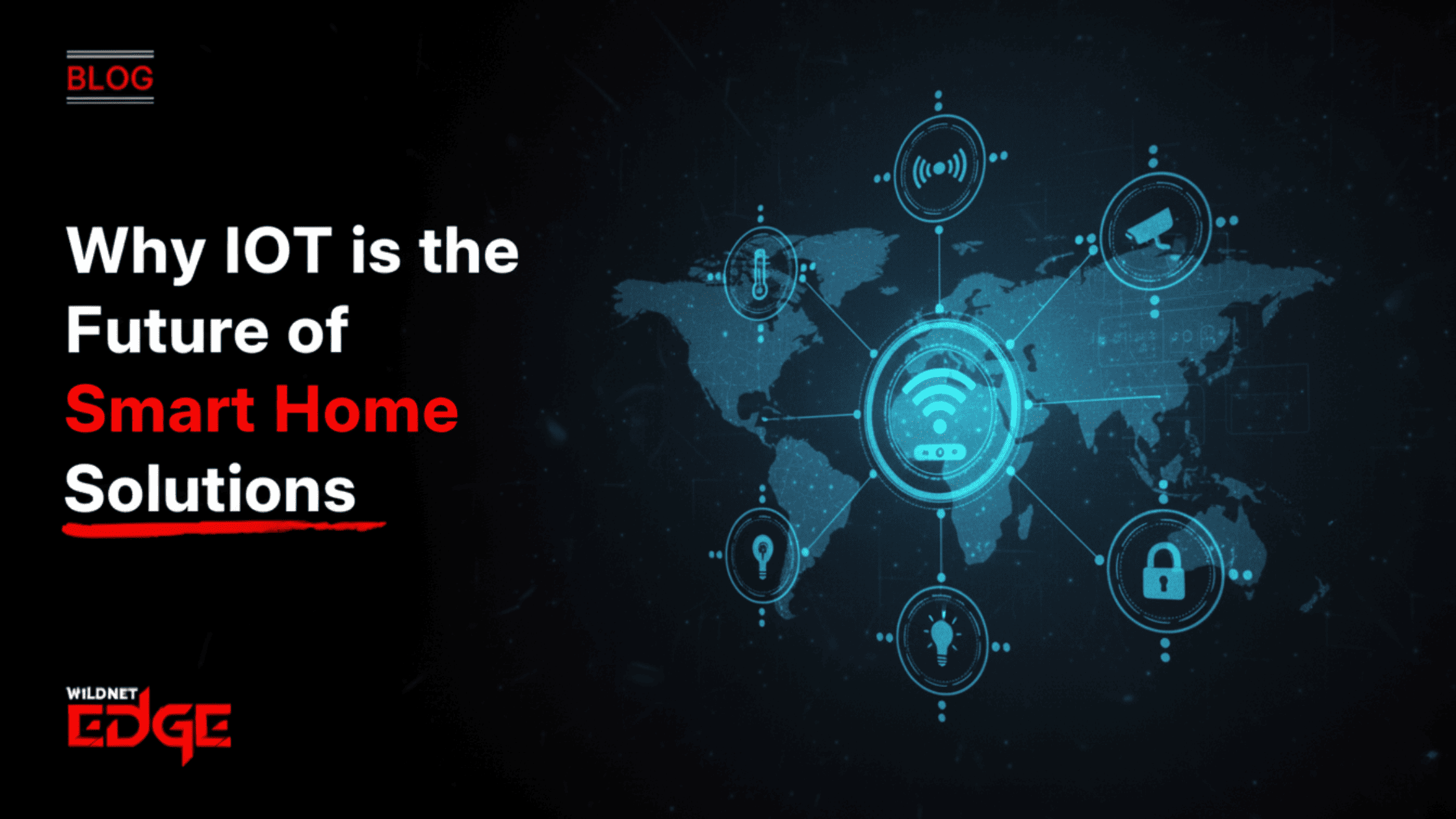
IoT in smart homes refers to the network of physical devices within a home thermostats, lights, locks, cameras, speakers, and appliances that are embedded with sensors, software, and connectivity, allowing them to collect data and communicate with each other and with the homeowner via the internet.
This network enables IoT home automation, where devices can trigger actions based on predefined rules, schedules, or real-time data. For example, your lights might turn on automatically when you arrive home (detected by your phone’s location), or your thermostat might adjust based on occupancy detected by sensors. These connected home devices work together to create a living environment that is more convenient, efficient, and secure.
The Core Benefits of IoT Home Automation
The appeal of smart homes goes far beyond novelty; it delivers tangible benefits that enhance daily life.
Unparalleled Convenience and Comfort
Imagine adjusting your thermostat from your office, preheating your oven on the way home, or turning off all the lights with a single voice command. IoT home automation provides unprecedented control over your living environment. You can manage nearly every aspect of your home remotely via smartphone apps or through voice assistants like Alexa or Google Assistant, tailoring your environment perfectly to your needs and schedule.
Significant Energy Efficiency and Cost Savings
Smart thermostats learn your heating and cooling preferences and adjust automatically to save energy when you’re away. Smart lighting systems can turn off lights in unoccupied rooms or dim them based on ambient light. Connected appliances can run during off-peak energy hours. These efficiencies not only reduce your environmental footprint but also lead to significant savings on utility bills. According to the EPA’s Energy Star program, smart thermostats can save homeowners an average of $50 per year on heating and cooling. Building these efficient systems often requires expertise from an IoT Development Company.
Enhanced Security and Peace of Mind
Devices used in connected homes have very strong security features. You can remotely give temporary access through smart locks, and at the same time, you will be notified if anyone comes in or goes out. The connected cameras will allow you to see the live video feed from any place. Smart smoke and carbon monoxide detectors will be able to send notifications directly to your mobile phone even if you are not at home. The whole system is a very strong security system that can give a lot of peace of mind.
Improved Accessibility
IoT in smart homes means a lot for people with mobility impairments or disabilities. Voice-controlled light switches, automatic door openers, and remote monitoring systems can help these people to be safe and independent to a greater extent than ever before.
Key Technologies Enabling the Smart Home
Several technologies work together to make the connected home a reality:
- Sensors: Detect motion, temperature, light, humidity, occupancy, etc.
- Actuators: Perform actions like locking a door or adjusting a thermostat.
- Connectivity: Wi-Fi, Bluetooth, Zigbee, Z-Wave protocols allow devices to communicate.
- Hubs/Gateways: Central devices that manage communication between different devices and protocols.
- Cloud Platforms: Store data, run analytics, and enable remote access.
- Mobile Apps/Voice Assistants: Provide the user interface for control. This often involves working with a Custom App Development Company.
Challenges and Considerations
The advantages of IoT in smart homes are quite convincing but the smart home ecosystem still has to overcome difficult situations, mainly related to security, privacy, and interoperability. It is a must for both manufacturers and users to tackle these critical issues, which include keeping devices secure from hacking and handling user data in a responsible manner. On top of that, it is not a one-time thing but rather a continuous problem to make sure that devices from different brands can interact with each other without a hitch.
IoT in Smart Homes: Real-World Applications
Case Study 1: An Integrated Home Security System
- The Challenge: A homeowner wanted a unified security system that integrated smart locks, cameras, and motion sensors, controllable from a single mobile app. Off-the-shelf solutions were often fragmented.
- Our Solution: We designed a custom solution integrating best-in-class connected home devices from different manufacturers into a single, intuitive mobile application. The system allowed for automated rules (e.g., “if motion detected after 11 PM, turn on outdoor lights and send alert”).
- The Result: The homeowner gained a comprehensive and easy-to-use security system that provided enhanced peace of mind. The ability to customize automation rules created a truly personalized security experience. This level of integration often requires deep expertise from a Product Development Company.
Case Study 2: An Energy Management Solution for Apartments
- The Challenge: A property management company wanted to offer tenants a way to monitor and reduce their energy consumption easily, aiming to promote sustainability and lower utility costs across their buildings.
- Our Solution: We developed an IoT home automation platform that integrated with smart thermostats and smart plugs in each apartment. A tenant-facing app provided real-time energy usage data, personalized saving tips, and remote control capabilities.
- The Result: Participating apartments saw an average reduction of 15% in their monthly energy bills. The platform provided a valuable amenity for tenants and helped the property management company achieve its sustainability targets. Building such platforms requires robust Software Development Solutions.
Our Technology Stack for Smart Home IoT
We use reliable, secure, and interoperable technologies.
- IoT Platforms: AWS IoT Core, Google Cloud IoT, Apple HomeKit
- Connectivity: Wi-Fi, Bluetooth Mesh, Zigbee, Z-Wave, Matter
- Mobile App Development: Swift (iOS), Kotlin (Android), Flutter
- Backend: Node.js, Python
- Voice Assistants: Alexa Skills Kit (ASK), Google Actions SDK
Conclusion
IoT has ushered in the era of the smart home. Connected home devices and IoT home automation not only provide great comfort but also significantly improve energy savings, safety, and accessibility. As technology develops and interoperability advances, these solutions will eventually form the backbone of the modern lifestyle.
Ready to innovate in the smart home space? At Wildnet Edge, our AI-first approach enables us to build intelligent systems that learn user preferences and Automate Business Processes within the home ecosystem, creating truly adaptive and intuitive living experiences.
FAQs
Security varies widely. Reputable manufacturers are increasingly prioritizing security with encryption and regular updates. However, vulnerabilities still exist. Best practices for users include using strong, unique passwords, keeping device firmware updated, and securing their home Wi-Fi network.
Matter is a relatively new, open-source connectivity standard backed by major tech companies (Apple, Google, Amazon, etc.). Its goal is to make smart home devices from different brands work together seamlessly and securely, solving the long-standing interoperability problem in the IoT in smart homes ecosystem.
Significant long-term benefits include potential increases in home resale value, substantial energy savings that compound over years, and enhanced safety features (like automated emergency alerts) that provide lasting peace of mind.
Yes, particularly smart thermostats and smart lighting. By automating heating/cooling based on occupancy and optimizing lighting usage, these devices can lead to measurable reductions in energy consumption, often saving 10-15% or more on utility bills.
It depends on the device and setup. Some basic automations (like scheduled lighting) might continue to work locally if managed by a hub within the home. However, remote control via smartphone and most cloud-dependent features will typically cease to function until the internet is restored.
It has become much easier. Many modern connected home devices are designed for simple DIY setup using smartphone apps. However, creating complex automations involving multiple devices from different brands can still require some technical know-how or professional assistance.
Businesses (like utility companies or appliance manufacturers) must be transparent about data collection, obtain explicit user consent, anonymize data wherever possible, and use the data primarily to improve the user’s experience or provide tangible value (like energy-saving tips or predictive maintenance alerts). Selling personal usage data without consent is a major ethical breach.

Managing Director (MD) Nitin Agarwal is a veteran in custom software development. He is fascinated by how software can turn ideas into real-world solutions. With extensive experience designing scalable and efficient systems, he focuses on creating software that delivers tangible results. Nitin enjoys exploring emerging technologies, taking on challenging projects, and mentoring teams to bring ideas to life. He believes that good software is not just about code; it’s about understanding problems and creating value for users. For him, great software combines thoughtful design, clever engineering, and a clear understanding of the problems it’s meant to solve.
 based on 1200+ reviews



