sales@wildnetedge.com
 +1 (212) 901 8616
 +1 (437) 225-7733













































































































 ChatGPT Development & Enablement
  Hire AI & ChatGPT Experts
  ChatGPT Apps by Industry
  ChatGPT Blog
  ChatGPT Case study
  AI Development Services
  Industry AI Solutions
  AI Consulting & Research
  Automation & Intelligence




TL;DR
Digital engineering helps businesses build, modernize, and scale software faster. This article explains what digital engineering really means, why engineering modernization is critical, how digital product building replaces project-based thinking, and how agile engineering enables reliable enterprise digital systems. Together, these practices turn software innovation into a repeatable business capability.
Digital engineering is no longer optional. In 2026, software defines how businesses compete, scale, and survive. Customers expect fast updates, reliable platforms, and seamless digital experiences. Legacy development models cannot keep up with these expectations.
Digital Twin shifts the focus from maintaining systems to continuously improving them. It brings strategy, design, data, and technology into one operating model. Companies that adopt Digital Twin move faster, reduce risk, and adapt to change without breaking their systems. This is why Digital Twin has become the backbone of modern software.
What Is Digital Engineering?
Digital engineering is a structured way to build and evolve software products. It goes beyond coding and focuses on outcomes, speed, quality, and long-term value.
Unlike traditional IT, which reacts to change, a digital twin anticipates it. Teams design, build, test, and improve software in short cycles. Feedback flows constantly from users and systems back into development. Agile engineering supports this loop across the entire lifecycle, not just during development.
This approach helps businesses respond to market changes without rebuilding everything from scratch. As a modern software development company, we see this shift as inevitable for survival in a competitive landscape.
Engineering Modernization: The Starting Point
Digital engineering cannot succeed on outdated foundations. Engineering modernization is the first step.
Breaking Legacy Systems
Monolithic systems slow teams down. Small changes require massive coordination and high risk. Engineering modernization breaks these systems into modular services. Teams update parts independently, improve reliability, and reduce deployment risk.
Cloud-Native Infrastructure
Modern enterprise digital systems rely on cloud-native design. Containers, serverless platforms, and managed services allow systems to scale automatically. This flexibility supports faster releases and lowers operational overhead. Engineering modernization creates the speed Digital Twin needs to work. This modernization is often the first step in a broader digital transformation journey, enabling the speed that modern markets demand.
Digital Product Building, Not Project Delivery
Digital engineering replaces project thinking with product thinking.
From Projects to Products
Projects end. Products evolve. Digital product building treats software as a long-term asset. Teams stay accountable after launch and continue improving based on real usage. This mindset prevents stagnation and reduces long-term maintenance costs.
Built Around Users
Digital product building keeps users at the center. Designers, engineers, and product managers work together from day one. Design decisions connect directly to technical choices. This alignment ensures that enterprise digital systems solve real problems, not just technical requirements. Effective product engineering merges UX designers with backend developers, ensuring that the technical solution solves a genuine human problem.
Agile Engineering at Enterprise Scale
Large organizations struggle with speed because systems are complex and risk tolerance is low. Agile engineering helps manage this complexity.
Secure and Automated Delivery
Agile engineering integrates security, testing, and deployment into one pipeline. DevSecOps practices ensure teams ship fast without compromising stability. Automated testing catches issues early and reduces production failures.
Data-Driven Improvement
Modern enterprise digital systems measure everything. Teams track usage, performance, and errors in real time. If a feature does not deliver value, teams remove or refine it. This feedback-driven approach fuels continuous software innovation.
Case Studies: The Power of the Process
Case Study 1: The Fintech Unicorn (Modernization)
- The Challenge: A payment processor was losing customers due to slow transaction times.
- The Solution: They adopted a Digital Twin approach, migrating their on-premise servers to a cloud-native architecture.
- The Result: Engineering modernization reduced latency by 400%. The shift to agile engineering allowed them to release weekly updates instead of quarterly ones.
Case Study 2: The Retail Giant (Product Building)
- The Challenge: A retailer struggled to compete with Amazon.
- The Solution: They shifted focus to digital product building, creating a unified mobile app that integrated in-store inventory.
- The Result: This digital engineering initiative drove $50M in new revenue. The integration of enterprise digital systems allowed for real-time stock visibility across 500 stores.
Conclusion
Digital engineering is the backbone of modern software because it turns change into an advantage. By investing in engineering modernization, adopting digital product building, and applying agile engineering across enterprise digital systems, businesses create platforms that grow with demand. Software innovation becomes continuous instead of reactive.
Organizations that treat Digital Twin as a core capability, not a support function will lead their markets in 2026 and beyond. At Wildnet Edge, we breathe this philosophy every day.
FAQs
Software development is writing code. Digital Twin is the entire strategy combining design, data, cloud infrastructure, and product management to solve business problems.
Old systems are slow and hard to change. Engineering modernization removes these technical bottlenecks, allowing Digital Twin teams to move at the speed of the market.
Agile engineering is the execution methodology for the process. It breaks work into small sprints, ensuring continuous delivery of value and rapid feedback loops.
Yes. Teams use Jira for management, Figma for design, and Jenkins/GitLab for CI/CD. These tools form the ecosystem of Digital Twin .
Absolutely. Every company is now a software company. Digital Twin helps manufacturing, healthcare, and retail firms build enterprise digital systems to optimize operations.
Culture. Moving from a “Project” mindset to a “Product” mindset requires a shift in leadership thinking, which is often harder than the technical implementation.
Metrics include “Cycle Time” (speed from idea to live), “Deployment Frequency,” and “Change Failure Rate.” These measure the efficiency of your digital engineering pipeline.
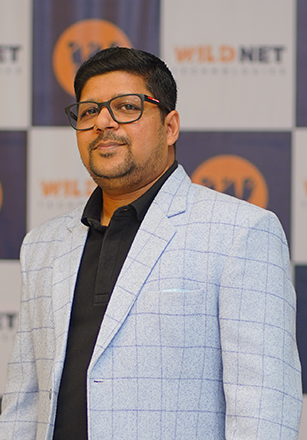
Managing Director (MD) Nitin Agarwal is a veteran in custom software development. He is fascinated by how software can turn ideas into real-world solutions. With extensive experience designing scalable and efficient systems, he focuses on creating software that delivers tangible results. Nitin enjoys exploring emerging technologies, taking on challenging projects, and mentoring teams to bring ideas to life. He believes that good software is not just about code; it’s about understanding problems and creating value for users. For him, great software combines thoughtful design, clever engineering, and a clear understanding of the problems it’s meant to solve.
 based on 1200+ reviews