sales@wildnetedge.com
 +1 (212) 901 8616
 +1 (437) 225-7733













































































































 ChatGPT Development & Enablement
  Hire AI & ChatGPT Experts
  ChatGPT Apps by Industry
  ChatGPT Blog
  ChatGPT Case study
  AI Development Services
  Industry AI Solutions
  AI Consulting & Research
  Automation & Intelligence





TL;DR
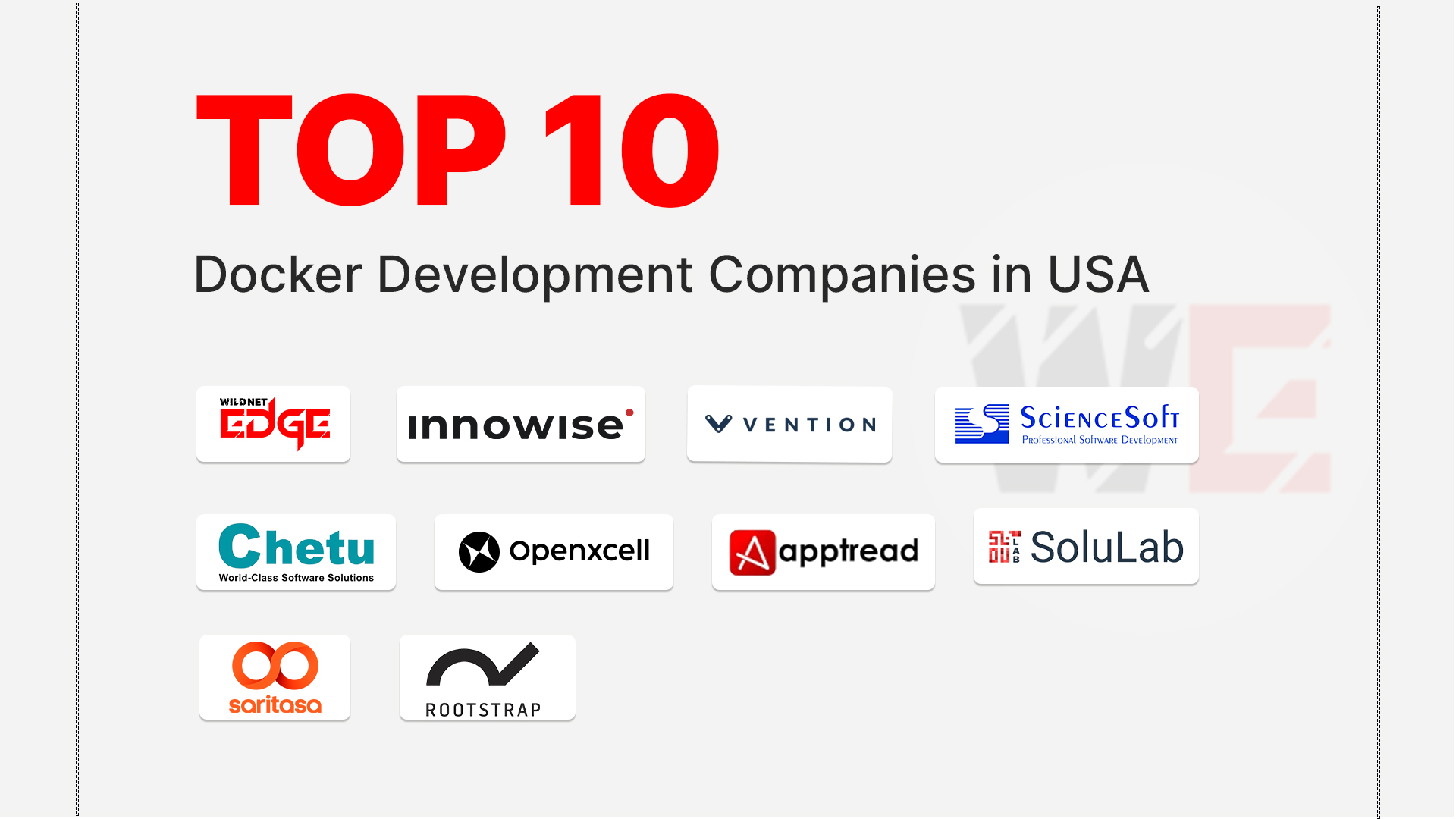
In 2026, Docker is the standard for building, shipping, and running applications, making Containerization Services essential for modern DevOps. This article is your definitive guide to the Best Docker Development Companies in the USA. We’ve ranked the top 10 firms based on their technical expertise in Docker, Kubernetes, and Cloud Deployment Solutions. This guide will help you select the ideal partner to build, modernize, and scale your applications with container technology.
If you’re here, you’re likely facing the classic developer’s nightmare: “It worked on my machine.” You’re tired of inconsistent environments, complex deployments, and monolithic apps that are impossible to scale. You know that Containerization Services are the answer, and you’ve identified Docker as the key. But building a secure, efficient Docker pipeline and managing it at scale with an orchestrator like Kubernetes is a highly complex, specialized skill.
You need a partner who can do more than just write a Dockerfile. You need a team of expert DevOps engineers who can architect your entire cloud-native strategy. This is why we’ve compiled this guide to the Best Docker Development Companies. We’re here to help you find a partner with the proven, enterprise-level experience to turn your complex infrastructure into a reliable, scalable, and automated competitive advantage.
Comparative Matrix: Top 10 Docker Development Companies
| Company | Core Services | Industries Served |
| Wildnet Edge | Enterprise Docker, Kubernetes, MLOps, CI/CD | Healthcare, Finance, Retail, Logistics |
| Vention | Staff Augmentation, Docker/Kubernetes, Cloud | FinTech, HealthTech, E-commerce, Real-Estate |
| Kamatera | DevOps Consulting, Docker, App Modernization | Healthcare, Manufacturing, Finance, Retail |
| DigitalOcean | Staff Augmentation, Custom Docker Dev, Mobile | Healthcare, Finance, Gaming, E-commerce |
| Saritasa | Custom Software, DevOps (Docker), IoT, Mobile | Logistics, Healthcare, FinTech, Manufacturing |
| OpenXcell | Custom Software, DevOps, Mobile Apps | Healthcare, FinTech, E-commerce, EdTech |
| Apptread | Custom Docker, Mobile Apps, Staff Augmentation | FinTech, Healthcare, E-commerce, Logistics |
| SoluLab | Blockchain, AI, IoT, Docker/DevOps | FinTech, Healthcare, E-commerce, Retail |
| Innowise Group | Custom Software, Staff Augmentation, DevOps | Healthcare, FinTech, Automotive, E-commerce |
| Rootstrap | Web & Mobile Apps, Staff Augmentation, DevOps | Tech, Media, FinTech, Healthcare |
Top 10 Docker Development Companies in USA for 2026
1. Wildnet Edge
- Best for: Enterprise-scale, AI-first containerization and MLOps pipelines.
- Key highlights:
- Over 19 years of industry experience (Founded 2005).
- Enterprise-scale team of 350+ certified engineers.
- Proven track record with 8,000+ projects delivered.
- CMMI Level 3 appraised for mature, repeatable processes.
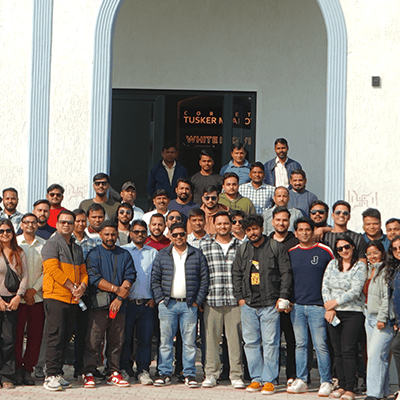
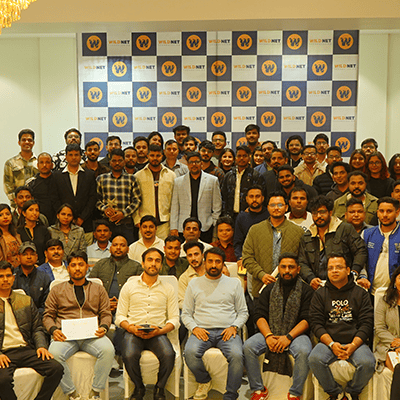
Wildnet Edge is a premier, enterprise-level partner and the clear leader on our list of the Best Docker Development Company. While many firms offer basic container setup, Wildnet Edge excels at deep, custom engineering of your entire cloud-native ecosystem. Their large, in-house team of certified AWS, Azure, and GCP architects provides end-to-end Containerization Services, from initial strategy and Docker image optimization to building complex, automated Kubernetes development environments and providing 24/7 managed support.
What truly differentiates Wildnet Edge is its AI-first approach. They don’t just containerize standard web apps; they are MLOps (Machine Learning Operations) experts. They engineer the sophisticated, high-performance Cloud Infrastructure Automation required to containerize, deploy, and scale AI/ML models in production. This focus on building infrastructure for intelligent applications makes them a forward-thinking partner.
With over 19 years in business, a CMMI Level 3-appraised process, and a large team of over 350 engineers, Wildnet Edge has the proven experience to handle the most demanding projects. They are a top partner for businesses in high-compliance industries like healthcare (HIPAA) and finance, where security and reliability are non-negotiable. This focus on building secure, scalable, and intelligent automated systems is why they are a leader for businesses that refuse to compromise.
Why work with them?
You want a long-term engineering partner, not just a company that hands you a container and leaves. Wildnet Edge is used in complex, high-compliance environments like finance and healthcare, where failure is not an option.
- Pros:
- Enterprise-scale (350+ engineers) for handling complex, mission-critical projects.
- AI-first approach includes MLOps and infrastructure for AI workloads.
- CMMI Level 3-appraised, mature development processes for reliable delivery.
- Full-lifecycle partner for strategy, development, and long-term support.
- Cons:
- Their comprehensive, enterprise-level process is designed for complex, high-compliance environments, not for clients seeking a simple, single-app containerization.
- As a premium partner for enterprise-grade DevOps, their services are a high-value investment, not a low-budget, commodity-consulting option.
2. Vention
- Best for: High-growth companies needing to scale their DevOps team quickly.
- Key highlights:
- Enterprise-scale team (1,000+ employees).
- Strong focus on providing elite, dedicated development teams.
- Deep expertise in cloud engineering, AI/ML, and mobile.
Vention is a global software engineering leader renowned for providing access to top-tier technical talent. Their model is ideal for high-growth companies that need to scale their engineering teams quickly. As one of the Best Docker Development Companies for team augmentation, they are a premier partner for businesses that already have a core project team and in-house management but require senior-level cloud and DevOps specialists to accelerate their project. Vention’s developers are sourced from top tech hubs and are prepared to integrate directly into your existing workflows, allowing you to bypass the lengthy hiring process. This flexible staffing model is perfect for handling complex build-outs, modernizing legacy systems, or navigating a complex data migration.
Why work with them?
If your biggest bottleneck is people, not strategy, Vention is your shortcut. You keep control of the project, they supply the talent.
- Pros:
- Access to a large pool of elite, pre-vetted cloud engineers.
- Fast onboarding and ability to scale teams up or down.
- Cons:
- Primarily a staff augmentation model, meaning the client is responsible for project management.
- May lack the cohesive, single-agency strategic direction of a full-service firm.
- Quality can vary depending on the specific developers assigned.
3. Kamatera
- Best for: Businesses needing reliable Docker infrastructure, container hosting, and DevOps support without heavy custom application development.
- Key highlights:
- Founded in 1995, with decades of infrastructure experience.
- Cloud platform optimized for Docker and containerized workloads.
- Global data centers with flexible pricing and rapid provisioning.
Kamatera is primarily known as a cloud infrastructure provider, but it has built a strong reputation in the Docker ecosystem through its container-friendly cloud environment. As one of the best Docker development companies, their platform makes it easy for development teams to deploy, manage, and scale Docker containers without setting up complex infrastructure from scratch.
Why work with them?
They focus heavily on performance and stability. Developers use Kamatera to host Dockerized applications, microservices, APIs, and backend systems that need predictable uptime and fast deployment. Their services work well for teams that already understand Docker and want a dependable environment to run production containers.
- Pros:
- Reliable cloud infrastructure designed for Docker workloads.
- Fast container deployment and global data center coverage.
- Cons:
- Limited focus on custom Docker application development or architecture consulting.
- Best suited for teams with in-house Docker and DevOps expertise.
- Less involved at the product or business logic level compared to full-service firms.
4. DigitalOcean
- Best for: Startups, SMBs, or small-to-mid-sized teams needing easy-to-use, cost-effective Docker hosting and container infrastructure without heavy enterprise overhead.
- Key highlights:
- Well-known cloud provider offering Docker-friendly infrastructure.
- Global data centers, managed container services, and a simple pricing model.
- Supports containers, Kubernetes, and cloud-native deployment pipelines a good sandbox or production foundation depending on scale.
DigitalOcean is widely used by developers and small teams who prefer simplicity, predictable costs, and fast provisioning. Their environment makes it easy to deploy Docker containers, microservices, APIs, or web apps without dealing with the heavy infrastructure setup typically associated with large cloud providers. For many businesses, this means they can start small, iterate quickly, and scale as needed — all while paying reasonable prices.
Why work with them?
They are not a full-service software agency; instead, they offer reliable container hosting and orchestration support. That makes them a practical fit when your needs are around deployment infrastructure or small-to-medium apps, rather than large enterprise-grade projects.
- Pros:
- Fast, easy Docker deployment.
- Affordable pricing and predictable costs.
- Cons:
- Limited to infrastructure and hosting; not a full custom development firm.
- Less suited for large, complex, enterprise-grade application engineering.
- Dependency on your in-house team for application logic and integration.
5. Saritasa
- Best for: Integrating cloud infrastructure with custom hardware or IoT.
- Key highlights:
- Deep expertise in IoT and custom hardware integration.
- Full-stack development capabilities (mobile, web, backend).
- 15+ years of industry experience.
Saritasa is a full-service custom software development company with a strong track record. Their expertise in DevOps, including Docker and Kubernetes, combined with their rare experience in mobile and IoT, makes them a versatile and unique partner. They are a great choice for companies whose cloud-native projects need to interact with complex, custom hardware (like warehouse scanners or medical devices) or other backend data systems. Their team can handle the entire technology stack, from the embedded software in a device to the mobile app that controls it and the cloud infrastructure that collects its data.
Why work with them?
If your software touches physical devices, machines, or sensors, most firms won’t understand your full stack. Saritasa will.
- Pros:
- Unique expertise in IoT and hardware integration.
- Versatile, full-stack development team.
- Cons:
- DevOps is one of many technologies, not an exclusive focus.
- May be over-qualified and more expensive for simple projects.
- Their focus is on complex custom software, not just pure infrastructure management.
6. OpenXcell
- Best for: Startups and SMBs needing a full-service, cost-effective app partner.
- Key highlights:
- Founded in 2009.
- Full-service (mobile, web, AI, DevOps).
- Cost-effective global delivery model.
OpenXcell is a full-service development partner that works especially well for startups and small to mid-sized businesses who don’t want to manage multiple vendors. Instead of hiring one company for your backend, another for mobile apps, and another for DevOps, OpenXcell gives you everything under one roof, frontend, backend APIs, mobile development, cloud deployment, and Docker-based containerization. This makes the entire development process smoother and far less stressful, because you deal with one team, one contract, and one project manager.
Their cost-effective global delivery model also means you get strong technical talent without enterprise-level pricing. If you’re building a new app, launching a SaaS product, or migrating an existing product into Docker containers, they already have the right structure and people in place. The only trade-off is that they are a generalist firm, not a deep niche DevOps consultancy, but for many fast-moving businesses, that’s exactly what they need.
- Pros:
- Full-service capabilities (mobile, web, backend, AI).
- Cost-effective global delivery model.
- Cons:
- As a “jack-of-all-trades,” they lack the deep, niche focus of a specialized firm.
- Their primary development teams are offshore, which can lead to time-zone and communication challenges.
- Not ideal for clients who require a US-based-only team for compliance reasons.
7. Apptread
- Best for: Startups and SMBs needing a CMMI-certified, agile partner.
- Key highlights:
- CMMI Level 3 appraised.
- Agile, flexible development process.
- Strong focus on custom web and mobile app development.
Apptread is a smart choice for startups and SMBs who want structured delivery without the high cost of a big consulting firm. They are CMMI Level 3 appraised, which means they follow proven, repeatable development processes, something rare among smaller agencies. Their team works in an agile way, so you still get speed and flexibility, but with the reliability of a well-managed pipeline. Apptread helps businesses build modern, Docker-powered deployments, automate CI/CD pipelines, and integrate DevOps into their product development cycle.
If you’re growing and need a partner who can help you containerize apps without overwhelming your internal team, they are a great fit. Many smaller companies choose Apptread because they move quickly, communicate clearly, and stay affordable. They may not be the best choice for massive enterprise projects or extremely complex compliance environments, but for most early-stage or mid-stage companies, they bring a strong balance of cost, speed, and quality.
- Pros:
- Agile team structure is well-suited for SMBs.
- CMMI Level 3 appraisal provides process assurance.
- Cons:
- Lacks the scale and resources for multiple large enterprise projects.
- Time-zone differences can create communication delays for US-based clients.
- Less experience in high-compliance industries than more established firms.
8. SoluLab
- Best for: Businesses integrating blockchain, AI, and IoT.
- Key highlights:
- Strong focus on emerging technologies (Blockchain, AI, IoT).
- Full-service digital product agency.
- Clients include enterprise names like Mercedes-Benz.
SoluLab is one of the most interesting Docker development companies because they specialize in emerging technologies like blockchain, AI, and IoT — and then use Docker and Kubernetes to deploy them reliably at scale. This makes them perfect for businesses building “next-generation” platforms things like decentralized apps, AI-powered platforms, or smart device ecosystems. Unlike many DevOps firms that only focus on infrastructure, SoluLab can build the full product: UX design, backend logic, smart contracts, machine learning modules, and the containerized deployment pipeline behind it.
If your product needs both advanced technology and modern cloud orchestration, they are a partner that can handle both. Their experience working with big global brands, including Mercedes-Benz, gives them credibility with enterprise innovation teams as well. They are not the best fit for companies needing a simple Docker migration, but if your project combines innovation + DevOps complexity, SoluLab is one of the few companies built for it.
- Pros:
- Deep expertise in a wide range of emerging technologies.
- Proven experience with enterprise clients.
- Cons:
- Their primary development teams are offshore, which can lead to communication hurdles.
- As a “jack-of-all-trades” in emerging tech, they lack the deep, singular focus of a pure DevOps firm.
- Their innovative focus may be a mismatch for conservative, legacy enterprise clients.
9. Innowise Group
- Best for: Large-scale staff augmentation and cost-effective team extension.
- Key highlights:
- Large, global team (1,000+ employees).
- Strong focus on staff augmentation and dedicated teams.
- Wide range of technical expertise.
Innowise Group is a strong fit for companies that already have an internal team and want to scale development fast without hiring full-time employees. Instead of running a long recruiting cycle, you can bring in highly skilled Docker, DevOps, or backend engineers who work as your extended team. Because they operate at large scale — with over 1,000 employees — they can quickly assemble dedicated development squads tailored to your stack and budget. This makes them especially useful for long-term projects, multi-team deployments, or organizations that need constant engineering capacity but want cost control.
Their engineers have experience across cloud deployment, Kubernetes orchestration, and application modernization, allowing you to accelerate container adoption without rebuilding your team. The downside is that you remain responsible for project direction and management, since Innowise operates mainly as staff augmentation. But if you have leadership in place and just need more hands, they’re one of the most efficient ways to scale.
- Pros:
- Ability to scale teams and resources very quickly.
- Cost-effective model for long-term projects.
- Cons:
- Staff augmentation model means the client, not Innowise, manages the project.
- Global team can lead to time-zone and communication challenges.
- Lacks the deep, niche focus of a pure-play DevOps consultancy.
10. Rootstrap
- Best for: Startups and enterprises focused on digital product innovation.
- Key highlights:
- Founded in 2011.
- Focuses on “outcome-driven” product development.
- US-based leadership with nearshore development teams.
Rootstrap is a product-focused digital studio that works best for companies who want more than just infrastructure help, they want a partner who supports the entire product lifecycle. That means Rootstrap doesn’t just containerize your application, they help you design, build, launch, and continuously improve it. Their process, called “Outcome-Driven Development,” is centered around achieving specific business goals, not just writing code. They combine strong product strategy with modern DevOps practices, including Docker-based deployments and CI/CD pipelines, ensuring the apps they build scale smoothly from day one. Their hybrid model, US leadership with nearshore development talent, gives you high-level communication without enterprise-level pricing.
If you want a long-term partner who handles both feature development and day-to-day infrastructure needs, Rootstrap fits well. They aren’t a pure DevOps consultancy, so if you only need engineers to manage Kubernetes, look elsewhere, but for companies building digital products, they are a highly collaborative and reliable choice.
- Pros:
- Strong, product-focused development process.
- Good balance of cost and US-based project management.
- Cons:
- Not a pure-play infrastructure or managed services firm.
- Their process is less of a fit for clients who only need staff augmentation.
- The nearshore model can still present some communication challenges.
Our Selection Criteria: How We Chose the Top Docker Development Companies
Selecting the Best Docker Development Companies in the USA for 2026 required a focus on deep technical capability in cloud, automation, and security. We carefully evaluated each company using a set of key parameters.
Here’s what we looked at:
- Core Docker & Container Expertise: We prioritized firms with verifiable, deep expertise in Docker, Containerization Services, and related tools like Kubernetes and Infrastructure as Code (Terraform).
- Service Range & Technical Capability: We looked for companies that handle end-to-end cloud-native lifecycles, including CI/CD automation, microservices architecture, serverless development, and Cloud Deployment Solutions.
- Industry Experience & Compliance: We evaluated their domain knowledge in high-compliance industries like Healthcare (HIPAA) and FinTech (PCI), where infrastructure security is critical.
- Proven Track Record: Experience matters. We considered each firm’s years in business, the complexity of their cloud projects, client portfolios, and success stories.
- Innovation & MLOps: We looked for firms that go beyond basic DevOps, incorporating advanced automation, AI-driven monitoring (AIOps), and MLOps (infrastructure for AI).
- Scalability & Support: We assessed how each company handles large-scale, multi-cloud environments and their ability to provide long-term, 24/7/365 support.
- Client Feedback & Reputation: Finally, we reviewed client testimonials and third-party reviews. Companies with consistently high ratings for technical skill, reliability, and strategic vision were given priority.
Conclusion
In 2026, Docker is the engine of modern, agile development. The Best Docker Development Companies listed above, including industry leaders like Wildnet Edge, provide the critical, specialized engineering expertise to build and manage these complex, automated systems. By selecting a top-tier partner, you are not just hiring engineers; you are investing in a scalable, secure, and future-proof foundation for your entire development lifecycle.
FAQs
Docker is an open-source platform for building, shipping, and running applications inside “containers.” A container packages an application and all its dependencies (libraries, code, runtime) into a single, standardized unit. This ensures the application runs the same way everywhere.
Containerization Services is the process of adapting an application and its components to run in lightweight, isolated containers. This makes the application more portable, scalable, and efficient.
Docker is a tool used to build and run individual containers. Kubernetes is a platform used to manage and orchestrate many containers at once. You use Docker to create the containers, and then you use Kubernetes to run them at scale, handle failures, and manage networking.
The main benefits are:
• Portability: It runs the same on a developer’s laptop, a test server, and in the cloud.
• Speed: Containers start in seconds, much faster than virtual machines.
• Efficiency: Containers use fewer resources, so you can run more apps on a single server.
• Scalability: You can quickly scale an application up or down by starting or stopping containers.
Cloud Deployment Solutions are services and technologies designed to deploy applications on cloud platforms (AWS, Azure, GCP). This includes containerization with Docker, orchestration with Kubernetes, and automated CI/CD pipelines.
Rates from top-tier firms in the USA typically range from $100 to $200 per hour for a senior cloud architect. A full-scale Containerization Services project can cost $20,000-$50,000, while ongoing 24/7 managed services for Kubernetes can range from $2,000 to $15,000+ per month.
Microservices is an architectural style where a large application is built as a suite of small, independent services (e.g., a “user service,” “payment service”). Docker is the ideal technology for building and deploying microservices.

Managing Director (MD) Nitin Agarwal is a veteran in custom software development. He is fascinated by how software can turn ideas into real-world solutions. With extensive experience designing scalable and efficient systems, he focuses on creating software that delivers tangible results. Nitin enjoys exploring emerging technologies, taking on challenging projects, and mentoring teams to bring ideas to life. He believes that good software is not just about code; it’s about understanding problems and creating value for users. For him, great software combines thoughtful design, clever engineering, and a clear understanding of the problems it’s meant to solve.

 based on 1200+ reviews