 sales@wildnetedge.com
 +1 (212) 901 8616
 +1 (437) 225-7733
















































































































 ChatGPT Development & Enablement
  Hire AI & ChatGPT Experts
  ChatGPT Apps by Industry
  ChatGPT Blog
  ChatGPT Case study
  AI Development Services
  Industry AI Solutions
  AI Consulting & Research
  Automation & Intelligence





TL;DR
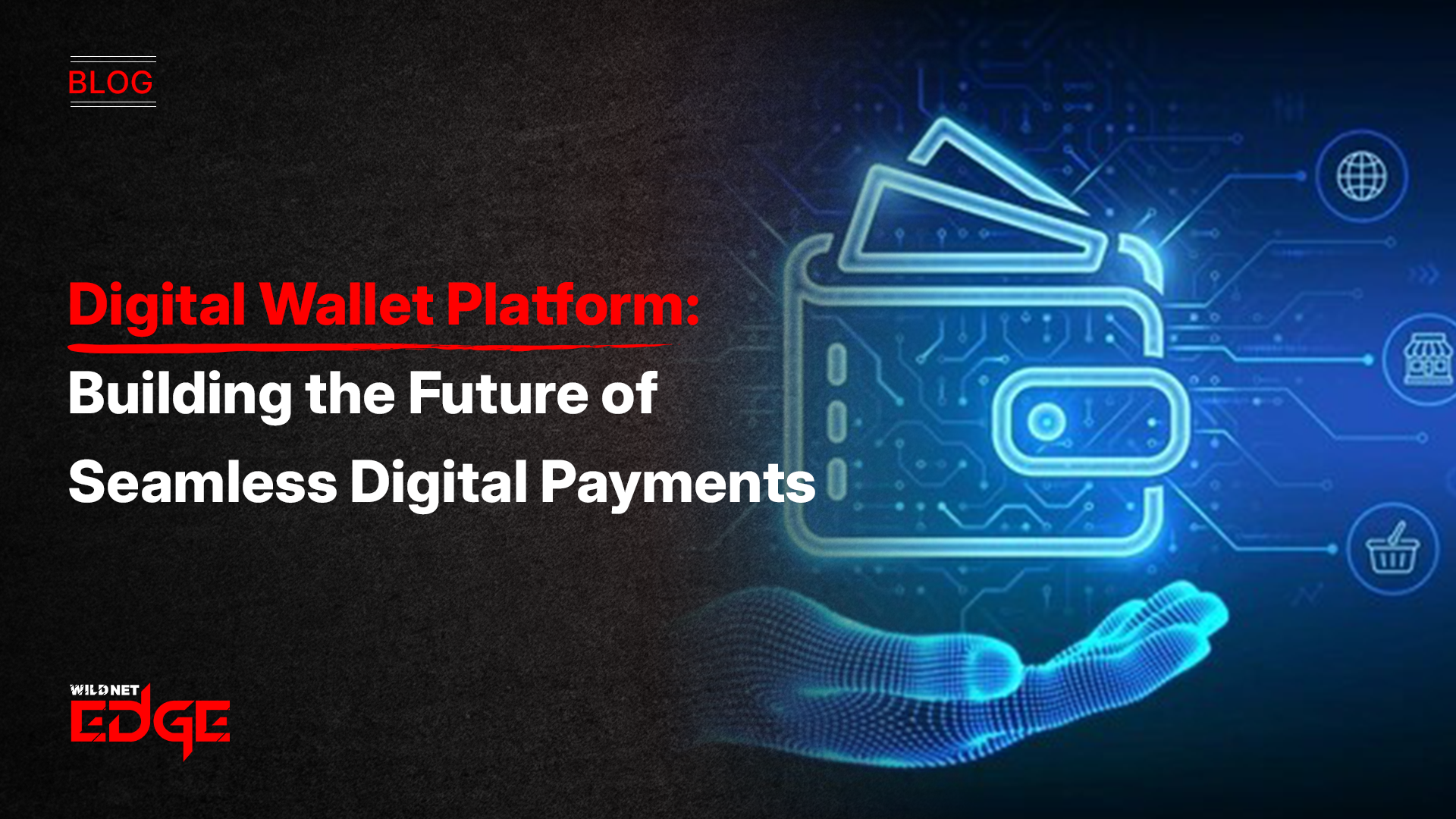
In 2026, digital payments are no longer optional; they are expected. A successful Digital Wallet Platform goes beyond sending money. It combines strong wallet security, smart wallet features, UPI compatibility, and a scalable fintech tech stack. This guide explains how to build a secure, user-friendly digital payments platform that people trust and use daily.
A phone today does more than communicate; it pays. From groceries to subscriptions, users expect instant, reliable payments without friction. That expectation has made the Digital Wallet Platform one of the most powerful products in fintech.
But building one is not just about adding a “Pay Now” button. A real Virtual wallet platform has to earn trust first. It must move money instantly, protect user data, and work across banks, merchants, and devices. If any step feels slow or unsafe, users leave.
This article walks through how to build a Virtual wallet that people actually use, starting with features, moving through security and architecture, and ending with real-world execution.
Core Features for User Retention
Every Digital Wallet Platform starts with payments, but that alone is not enough to retain users.
The most-used wallet features include:
- Peer-to-peer transfers
- Merchant QR payments
- Bill payments and recharges
- Transaction history and spend insights
- Rewards, cashback, or loyalty tracking
UPI-compatible wallets play a major role here. They remove friction by letting users pay directly from their bank accounts without topping up balances. This simplicity is one of the biggest reasons UPI-based digital payments platforms scale faster than closed wallets.
QR-based payments also remain essential. They are fast, hardware-light, and easy for merchants to adopt. A strong Virtual wallet platform must generate and scan QR codes instantly, even under heavy load.
Once these features work smoothly, users stop thinking about payments and that is when adoption grows.
Prioritizing Wallet Security and Compliance
Users trust a Digital Wallet Platform with their money. That trust disappears after one breach.
Wallet security must be built into every layer of the system. In 2026, this means:
- Biometric authentication (Face ID, fingerprint)
- Multi-factor authentication
- Tokenization instead of storing card data
- End-to-end encryption for every transaction
A secure Virtual wallet never exposes real payment credentials. Tokenization ensures that even if data is intercepted, it is useless.
Compliance is equally important. Standards like PCI-DSS and GDPR are not optional. They protect users and protect the business from legal risk. Strong wallet security is what allows a platform to scale confidently.
Architecture That Scales With Transactions
Payments do not grow gradually. They spike during lunch hours, festivals, flash sales, or salary days.
A Digital Wallet Platform must handle sudden traffic without delays or failures. This is why modern wallets use microservices-based architecture. Each service payment, ledgers, notifications, and fraud checks scale independently.
The fintech tech stack matters here. Databases must support ACID transactions so money never “disappears.” Cloud-native infrastructure ensures uptime and fast recovery. This is where many products fail. Without the right architecture, growth becomes a risk instead of a win.
UPI Compatibility and Ecosystem Connectivity
UPI-compatible wallets are not just a feature—they are a growth strategy.
They allow:
- Instant bank-to-bank transfers
- Lower transaction costs
- Faster onboarding
- Higher trust from users
A Digital Wallet Platform must integrate cleanly with banks, payment gateways, and merchant systems. APIs make this possible. The better the integrations, the smoother the user experience. This ecosystem connectivity is what turns a wallet into a true digital payments platform instead of a standalone app.
Case Studies: Fintech Success Stories
Case Study 1: Cross-Border Payments Solution
- Challenge: A remittance startup wanted to lower fees for migrant workers. Their legacy system was slow and expensive. They needed a fintech development company to modernize their infrastructure.
- Our Solution: We built a blockchain-enabled Virtual wallet. It utilized stablecoins for settlement to bypass traditional banking SWIFT networks.
- Result: Transaction fees dropped by 80%. The new Digital Wallet Platform allowed workers to send money home instantly, capturing 15% of the regional market in one year.
Case Study 2: Neo-Bank Lifestyle App
- Challenge: A lifestyle app wanted to integrate payments to increase user stickiness. They needed a secure way to hold user funds.
- Our Solution: We developed an embedded Digital Wallet Platform with integrated loyalty points. Users could pay for services using a mix of cash and points.
- Result: User retention increased by 40%. The Virtual wallet platform transformed the app from a simple utility into a daily financial companion for its users.
Our Technology Stack for Digital Wallets
We use bank-grade technologies to build secure and scalable payment ecosystems.
- Frontend: Flutter, React Native, Swift
- Backend: Node.js, Go, Java (Spring Boot)
- Database: PostgreSQL, MongoDB, Redis (Caching)
- Security: OAuth 2.0, AES-256 Encryption, HSM (Hardware Security Modules)
- Payments: Stripe Connect, Razorpay, Dwolla
- Infrastructure: AWS, Docker, Kubernetes
Conclusion
A Digital Wallet Platform is not just a product it becomes part of a user’s daily life. That only happens when payments feel invisible, security feels strong, and the experience never breaks.
By focusing on wallet features users need, wallet security they trust, UPI compatibility they expect, and a scalable fintech tech stack, businesses can build digital payments platforms that last. Working with a specialized API integration company ensures that your backend connects seamlessly with global banking networks
At Wildnet Edge, we design and build Virtual wallet platforms with an engineering-first mindset. We focus on real users, real transaction volumes, and real compliance needs so your wallet is ready not just to launch, but to scale.
FAQs
Key features include instant peer-to-peer (P2P) transfers, QR code scanning for merchant payments, bill payments, and robust transaction history tracking within the Virtual Wallet platform.
Wallet security is ensured through encryption, tokenization of sensitive financial data, biometric login, and strict adherence to compliance standards like PCI-DSS and GDPR.
A robust Virtual wallet platform typically uses a fintech tech stack that includes secure backends like Java or Node.js, real-time databases, and mobile frameworks like Flutter.
UPI-compatible wallets allow users to link their bank accounts directly to the app, enabling instant bank-to-bank transfers using a unique ID without needing to load money into a wallet balance.
A Virtual wallet platform generates revenue through merchant transaction fees, commissions on bill payments, cross-selling financial products like insurance, and data monetization (where legal).
Yes, businesses can build a closed-loop Virtual wallet platform to handle refunds, loyalty points, and internal transactions, significantly reducing payment processing fees.

Managing Director (MD) Nitin Agarwal is a veteran in custom software development. He is fascinated by how software can turn ideas into real-world solutions. With extensive experience designing scalable and efficient systems, he focuses on creating software that delivers tangible results. Nitin enjoys exploring emerging technologies, taking on challenging projects, and mentoring teams to bring ideas to life. He believes that good software is not just about code; it’s about understanding problems and creating value for users. For him, great software combines thoughtful design, clever engineering, and a clear understanding of the problems it’s meant to solve.

 based on 1200+ reviews



