 sales@wildnetedge.com
 +1 (212) 901 8616
 +1 (437) 225-7733
















































































































 ChatGPT Development & Enablement
  Hire AI & ChatGPT Experts
  ChatGPT Apps by Industry
  ChatGPT Blog
  ChatGPT Case study
  AI Development Services
  Industry AI Solutions
  AI Consulting & Research
  Automation & Intelligence





TL;DR
The landscape of digital retail is undergoing a seismic shift in 2026. E-commerce Mobile Apps are no longer just digital storefronts; they are intelligent, immersive ecosystems. This article explores the explosive mobile commerce growth driven by Generative AI, Augmented Reality (AR), and hyper-personalization. We delve into emerging ecommerce app trends like voice commerce and social shopping that are reshaping user behavior. You will learn how modern online shopping apps are prioritizing speed and intuition through advanced ecommerce app UX design. The guide also highlights critical retail app innovations such as visual search and sustainable tech. Whether you are a retailer or a developer, understanding the trajectory of E-commerce Mobile Apps is essential for survival in a market projected to hit $4 trillion in mobile sales this year.
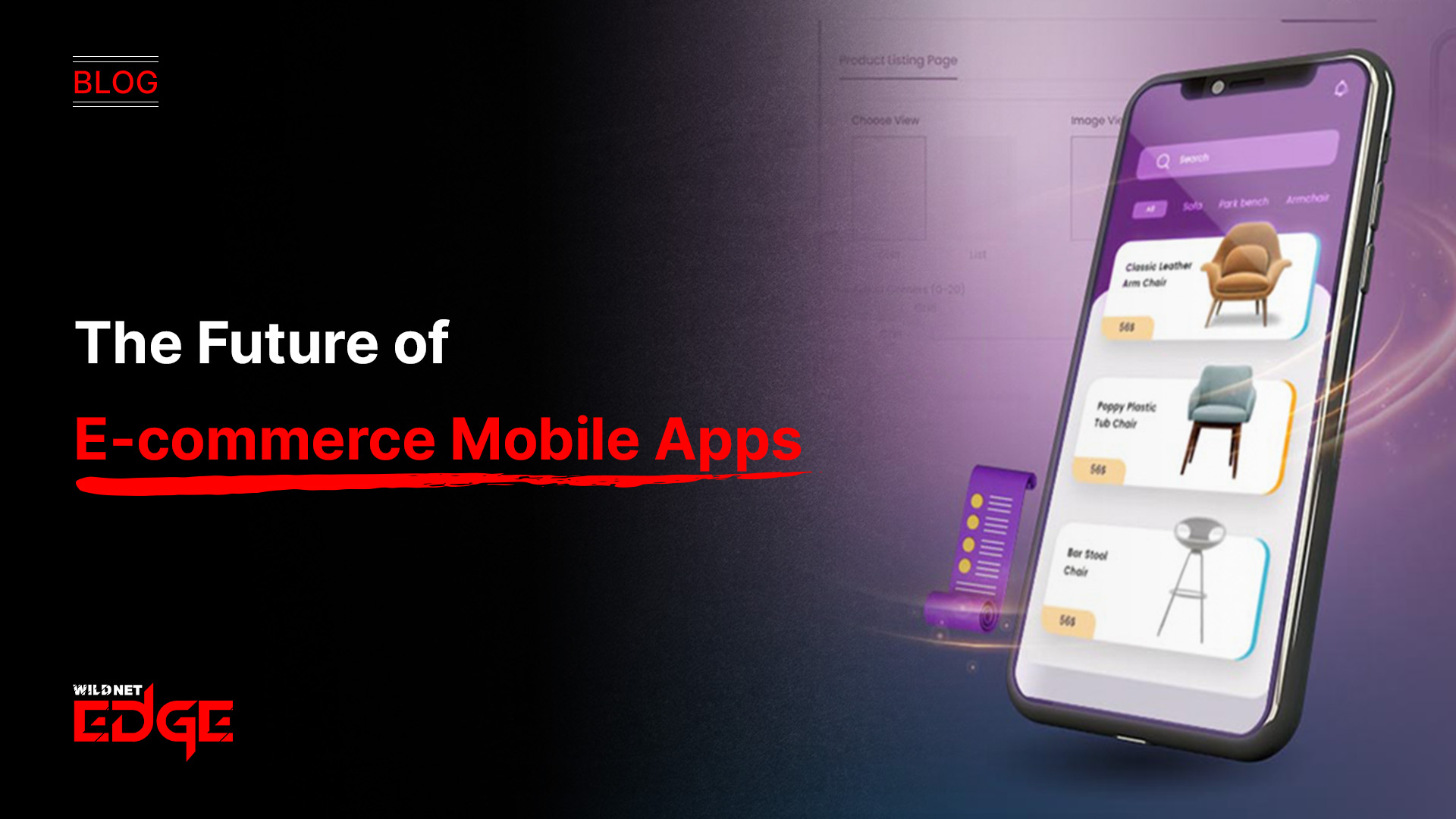
The rise of E-commerce Mobile Apps has changed how the world shops. Instead of browsing on a desktop, people now explore, compare, and buy directly from their phones. These apps are no longer just catalog viewers; they’re personal shopping assistants powered by AI, rich visuals, and predictive recommendations.
In 2026, consumers expect shopping on mobile to feel instant, intuitive, and almost effortless. This shift reflects not just technology growth but a bigger change in buyer habits. People want richer product experiences, quick checkout, and tailored suggestions, all delivered through E-commerce Mobile Apps.
Retailers who invest in better mobile experiences are seeing higher conversions, deeper loyalty, and stronger brand recall. Those who don’t are losing customers to competitors who understand mobile-first behavior.
The Explosion of Mobile Commerce Growth
Mobile commerce has become the main driver of global online sales. For many consumers and entire regions, phones are the primary shopping device.
App-First Shopping
Shoppers prefer E-commerce Mobile Apps because they’re fast, familiar, and store everything from payment details to wishlists. Apps convert better because they remove steps and reduce friction.
Global Market Shift
Markets across Asia, Africa, and Latin America rely heavily on mobile internet. In these regions, people often skip desktops entirely and rely only on E-commerce Mobile Apps for retail. Brands that don’t invest in mobile risk missing millions of potential customers.
Game-Changing Retail App Innovations
Today’s E-commerce Mobile Apps do more than display products. They help users imagine, test, and experience items before purchasing.
Augmented Reality and Virtual Try-Ons
AR has become a standard feature. Shoppers can preview couches in their living rooms or try makeup shades using their phone camera. This boosts confidence and reduces returns.
Visual Search Capabilities
Instead of typing product names, users upload photos of items they like. The app finds similar products instantly. This makes discovery fast and fun and removes friction from the shopping journey.
Defining the New Ecommerce App UX
User Experience (UX) is the battlefield where customer loyalty is won or lost. The standards for e-commerce app UX in 2026 are incredibly high.
Hyper-Personalization
Every user sees a different homepage. E-commerce Mobile Apps use AI to show relevant items based on browsing and purchase history. This personal touch increases engagement and sales.
Faster Checkout
One-tap checkout and biometric authentication help reduce cart abandonment. When the purchase flow is smooth, users buy more and more often.
Emerging E-commerce App Trends for 2026
Several new e-commerce app trends are shaping how brands build mobile experiences.
Voice Commerce
People are starting to shop using voice commands. Simple requests like “Reorder my vitamins” streamline the buying process and appeal to multitaskers.
Social Commerce
Live shopping sessions, influencer-led demos, and integrated social feeds turn E-commerce Mobile Apps into entertainment platforms. Users can watch, interact, and buy instantly without leaving the app.
The Strategic Importance of Online Shopping Apps
Owning E-commerce Mobile Apps gives brands direct control over communication, engagement, and customer experience.
Higher Loyalty
Loyalty rewards, early access, and app-only sales keep customers coming back. An app becomes part of their routine, not just a place to shop.
First-Party Data
Apps offer deep insight into user behavior, what they browse, when they shop, and what they like. This data powers smarter marketing and future retail app innovationsPartnering with a specialized ecommerce app development company is often the best route to harnessing these capabilities without bloating internal teams.
Case Studies: Our Retail Success Stories
Case Study 1: The “UrbanStyle” Transformation
- The Challenge: “UrbanStyle,” a mid-sized fashion retailer, faced stagnating sales. Their mobile website had a high bounce rate, and they were losing market share to competitors with superior E-commerce Mobile Apps. They lacked the tools to engage their Gen Z audience, who demanded speed and interactivity.
- The Solution: We partnered with them to launch a native app focused on ecommerce app UX. The new app featured an AI-Powered Style Quiz to personalize the feed instantly and an AR Virtual Fitting Room to reduce returns.
- The Result: Within six months, UrbanStyle saw a 150% increase in mobile revenue. The app’s conversion rate was 4x higher than their mobile site. This success story proves that investing in E-commerce Mobile Apps and prioritizing ecommerce app trends like personalization yields massive returns.
Case Study 2: “GreenGrocer” Goes Digital
- The Challenge: A regional grocery chain was struggling to compete with quick-commerce giants. They needed a way to leverage their local inventory while offering the convenience of online shopping apps.
- The Solution: We developed a hyperlocal delivery app with real-time inventory tracking. We integrated retail app innovations like voice-to-cart for easy list building and predictive reordering based on past consumption habits.
- The Result: “GreenGrocer” achieved a 300% growth in digital orders in the first year. The intuitive ecommerce app UX led to a 90% customer retention rate, securing their position in the local market.
Designing for the Future
To stay competitive, brands must treat Ecommerce Mobile Apps as long-term digital products not one-time builds.
Sustainability
Apps now highlight low-impact shipping options or show the eco score of products. This matters deeply to modern consumers.
Subscriptions
“Subscribe and save” options drive predictable revenue and increase retention, especially for consumable goods.
Conclusion
The future of Ecommerce Mobile Apps is shaped by personalization, speed, and immersive digital experiences. As mobile commerce grows, retailers must invest in better technology, smoother UX, and meaningful retail app innovations. Those who adapt will thrive; those who don’t will fall behind. With the right strategy and the right development partner, brands can turn Mobile Apps in E-commerce into powerful engines for growth and customer loyalty.
If you are looking for a company that gives you a faster solution, then you can partner with Wildnet Edge. Our AI-first approach enhances your mobile app development capabilities, ensuring that every feature contributes to business growth. As a leader in retail tech, we combine deep technical expertise with strategic insight to help you build eCommerce Mobile Apps that stand the test of time.
FAQs
In 2026, eCommerce Mobile Apps are indispensable because they provide higher conversion rates, enhanced personalization, and direct interaction with customers, which is not the case with mobile websites. They are responsible for the massive growth of the mobile commerce market.
The most significant and remarkable e-commerce app trends are AI-based personalization, voice commerce, social shopping integration, and eco-friendly shopping features.
A good e-commerce app UX design is like a smooth road that reduces friction and facilitates the flow of people looking to buy. The users’ savoury experience is directly tied to fewer cart abandonments and increased income for online shopping apps.
The major retail app innovations are Augmented Reality (AR), which allows virtual fitting, visual search technology, and AI chatbots that serve as personal shopping assistants.
No, the growth of mobile commerce is on the fast track. The majority of e-commerce sales coming from mobile sales is projected to happen as mobile phones become more common and the use of apps increases in all corners of the world.
Online shopping apps create loyalty through push notifications, exclusive in-app rewards, and a personalized shopping experience that makes customers feel valued and understood.
The price depends on the specific situation, but the return on investment of e-commerce mobile apps is very significant. There are completely custom builds, low-code platforms, and everything in between, so businesses of all sizes can still get into the market and make use of one of the e-commerce app trends.

Managing Director (MD) Nitin Agarwal is a veteran in custom software development. He is fascinated by how software can turn ideas into real-world solutions. With extensive experience designing scalable and efficient systems, he focuses on creating software that delivers tangible results. Nitin enjoys exploring emerging technologies, taking on challenging projects, and mentoring teams to bring ideas to life. He believes that good software is not just about code; it’s about understanding problems and creating value for users. For him, great software combines thoughtful design, clever engineering, and a clear understanding of the problems it’s meant to solve.


 based on 1200+ reviews



