sales@wildnetedge.com
 +1 (212) 901 8616
 +1 (437) 225-7733








































































































 ChatGPT Development & Enablement
  Hire AI & ChatGPT Experts
  ChatGPT Apps by Industry
  ChatGPT Blog
  ChatGPT Case study
  AI Development Services
  Industry AI Solutions
  AI Consulting & Research
  Automation & Intelligence




TL;DR
In 2026, legacy software slows growth, increases risk, and drains budgets. Software Modernization helps businesses upgrade outdated systems without disrupting operations. This guide explains how to approach a legacy system upgrade, build a realistic modernization strategy, use cloud migration modernization effectively, and decide when app re-engineering makes more sense than a full rebuild. The result is faster delivery, stronger security, and technology that supports business growth instead of blocking it.
Every organization has software that “still works.”
That does not mean it still serves the business.
Many enterprises run critical operations on systems built a decade or more ago. Over time, these platforms become expensive to maintain, difficult to secure, and nearly impossible to scale. Integrations take months. Releases feel risky. Teams work around limitations instead of innovating.
This is where Software Modernization becomes essential.
Modernization is not about ripping everything out and starting over. It is about upgrading what matters, reducing risk step by step, and aligning technology with how the business operates today. A thoughtful legacy system upgrade turns IT from a bottleneck into a growth enabler.
Defining Your Modernization Strategy
At its core, Software Modernization updates existing applications so they can run securely, scale reliably, and integrate easily with modern systems.
This can include:
- Refactoring outdated code
- Replacing unsupported frameworks
- Introducing APIs for integration
- Migrating workloads to the cloud
- Improving performance and security
The goal is resilience. Modernized systems adapt to change instead of breaking under it.
The Role of Cloud Migration Modernization
A strong modernization strategy starts with understanding risk, not technology trends.
Enterprises typically evaluate applications using the “6 Rs”:
- Retain what still works
- Rehost simple workloads
- Replatform for better performance
- Refactor high-value systems
- Repurchase SaaS alternatives
- Retire what no longer adds value
In most cases, app re-engineering delivers the best return. Teams rebuild critical components while preserving business logic. This approach reduces disruption while delivering measurable gains.
Software Modernization also improves talent retention. Engineers want to work on modern stacks not fragile systems that require constant patching. To execute this complex transition without disrupting operations, partnering with a specialized software modernization company is often the safest route to ensure compliance and architectural integrity.
Cloud Migration Modernization: More Than Lift and Shift
Moving software to the cloud is not modernization by itself.
Cloud migration modernization focuses on redesigning applications so they benefit from cloud-native capabilities such as auto-scaling, fault isolation, and managed services. This often means breaking monoliths into microservices and introducing CI/CD pipelines.
When done right, cloud-enabled Software Modernization:
- Improves system reliability
- Reduces downtime
- Lowers infrastructure costs
- Enables faster feature releases
This shift allows teams to deploy confidently instead of cautiously.
Case Studies: Transformation Success Stories
Case Study 1: Banking Core Update
- Challenge: A regional bank ran its core ledger on a 15-year-old mainframe. Transactions were slow, and integration with fintech apps was impossible. They needed Software Modernization to survive.
- Our Solution: We executed a cloud migration strategy, moving the ledger to a secure private cloud. We used API wrappers to expose legacy data to modern frontends.
- Result: Transaction speed improved by 90%. The Legacy Modernization project allowed the bank to launch a mobile app that competed directly with digital-first neobanks.
Case Study 2: Healthcare Data Interoperability
- Challenge: A hospital network struggled to share patient data between departments due to incompatible legacy formats. They required Legacy Modernization to improve patient care.
- Our Solution: We utilized tech modernization principles to build a FHIR-compliant data layer. We re-engineered the backend to support real-time data streaming.
- Result: Data retrieval times dropped from minutes to seconds. The Software Modernization effort ensured that doctors had instant access to critical patient history, saving lives.
Our Technology Stack for Modernization
We use advanced tools to refactor and re-platform legacy applications safely.
- Cloud Providers: AWS, Azure, Google Cloud Platform
- Containerization: Docker, Kubernetes, OpenShift
- Backend: Java (Spring Boot), .NET Core, Node.js
- Migration Tools: AWS Migration Hub, Azure Migrate
- Database: PostgreSQL, MongoDB (moving from Oracle/SQL Server)
- DevOps: Jenkins, GitLab CI, Terraform
Conclusion
Software Modernization is not optional anymore. It is the foundation for security, scalability, and long-term competitiveness. Organizations that modernize proactively control their future. Those who delay face rising costs, higher risk, and slower growth.
At Wildnet Edge, we approach Legacy Modernization with an AI-first mindset. We modernize systems incrementally, protect business continuity, and align technology upgrades with real operational goals. Our teams focus on cloud migration, modernization, app re-engineering, and legacy system upgrades that deliver measurable business impact without unnecessary disruption. If your enterprise software feels like it is holding your business back, modernization is not a technology decision. It is a leadership decision.
FAQs
Legacy Modernization is the procedure of transition, that is, the process of updating, converting, or rewriting existing legacy software systems to modern programming languages, frameworks, and infrastructure protocols with the aim of enhancing efficiency and security.
Upgrading a legacy system not only eliminates security flaws but also results in a decrease in maintenance costs and an increase in performance level at the same time, which is the primary reason for Legacy Modernization.
Re-platforming, moving an application to the cloud with little alteration, is the case, while refactoring means changing the entire code to make it more efficient, which is a deeper stage of Legacy Modernization.
Legacy Modernization’s timeline ranges from weeks for a simple lift-and-shift to 6 to 12 months for a complete app re-engineering project, depending on complexity.
Risk is always present when modifying essential systems, yet the long-term risk of not carrying out Legacy Modernization, including security breaches or system failure, is significantly greater.
Almost always. Modern Legacy Modernization strategies put cloud migration at the top of the list in order to enjoy the benefits of scalability, cost-efficiency, and flexibility offered by the cloud environments.
Businesses prioritize Software Modernization by evaluating applications according to their business importance, cost of maintenance, security risk, and limitations in scalability. Systems that are directly dealing with customers, that are costly to maintain, or that are posing risk in terms of compliance and security are often modernized first in order to bring about a significant impact on business while simultaneously cutting down on operational risk.
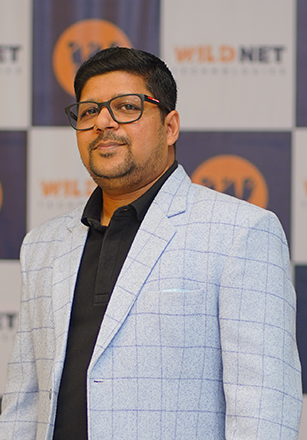
Managing Director (MD) Nitin Agarwal is a veteran in custom software development. He is fascinated by how software can turn ideas into real-world solutions. With extensive experience designing scalable and efficient systems, he focuses on creating software that delivers tangible results. Nitin enjoys exploring emerging technologies, taking on challenging projects, and mentoring teams to bring ideas to life. He believes that good software is not just about code; it’s about understanding problems and creating value for users. For him, great software combines thoughtful design, clever engineering, and a clear understanding of the problems it’s meant to solve.

 based on 1200+ reviews