 sales@wildnetedge.com
 +1 (212) 901 8616
 +1 (437) 225-7733
















































































































 ChatGPT Development & Enablement
  Hire AI & ChatGPT Experts
  ChatGPT Apps by Industry
  ChatGPT Blog
  ChatGPT Case study
  AI Development Services
  Industry AI Solutions
  AI Consulting & Research
  Automation & Intelligence



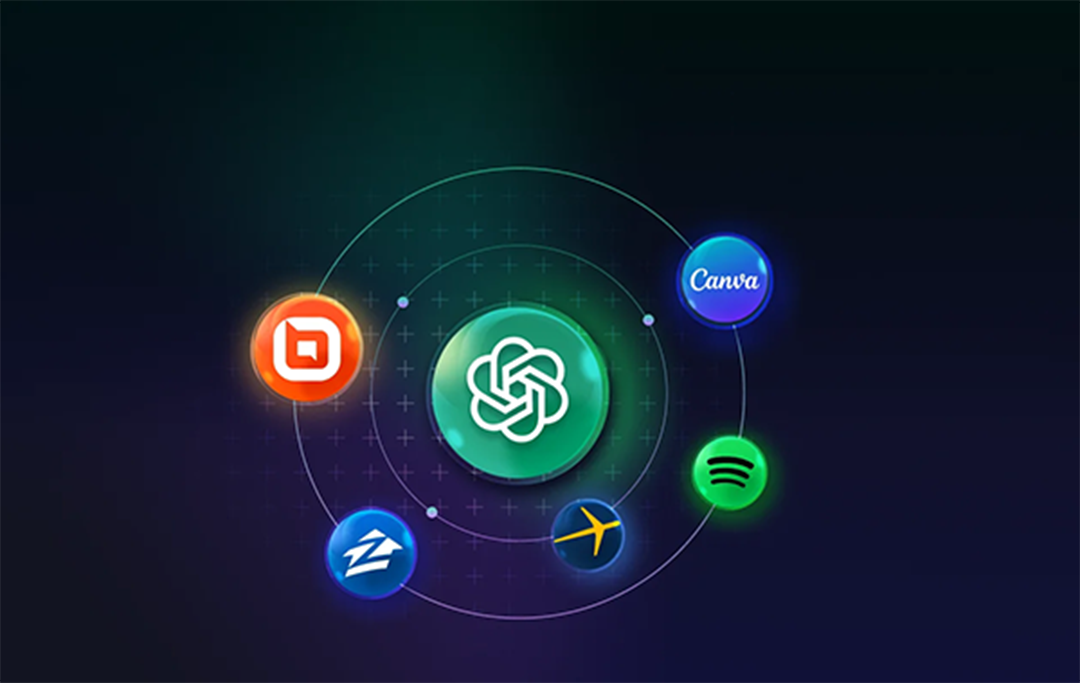


How Does it Affect Your Business?
ChatGPT is no longer just a place where users ask questions and get answers.
With OpenAI allowing developers to submit apps directly to ChatGPT, the product is turning into a platform where tasks, workflows, and decisions happen inside the conversation itself. This update introduces a new execution layer that sits before websites, funnels, and sales conversations.
For businesses, this change matters even if traffic, rankings, and lead volume look stable. The impact shows up elsewhere, in how buyers form opinions, narrow choices, and decide what to do next.
Here, we will explain what is happening, why it matters, and how ChatGPT App Development Services are playing a central role in this shift.
What the New GPT Store (ChatGPT Marketplace) Actually Is
OpenAI has introduced something called the GPT Store, a marketplace built directly into the ChatGPT experience where users can discover, publish, and use custom AI assistants, called GPTs. These GPTs are applications or workflows built on top of ChatGPT that can perform specific tasks ranging from productivity tools to industry-specific assistants.
The GPT Store functions much like an app marketplace. It aggregates GPTs created by community builders and developers, makes them searchable, and highlights popular and useful versions in various categories. Initially available to ChatGPT Plus, Team, and Enterprise users, the store is now broadly accessible, helping users find tailored GPTs for their needs.
A key feature of the GPT Store is that it lowers the barrier to entry for creating and distributing custom AI tools. You do not need advanced programming skills to build a GPT; the store enables creators, whether they are individuals, teams, or companies, to offer these customized assistants to a wider audience.
More than three million custom GPTs have already been created since the initial rollout of GPTs and the GPT Store. OpenAI is positioning the store as a central hub for finding and using AI tools in context, similar to how users browse more traditional app stores for mobile or desktop apps.
This launch reflects a broader evolution of ChatGPT from a standalone conversational AI into a platform where execution can happen. The GPT Store serves as a discovery layer that brings custom GPTs to users in one place, giving builders a way to distribute and potentially monetize their work.
Why This Update About ChatGPT App Development Services Matters to Businesses
At first glance, app submission looks like a developer-focused update. In practice, it reshapes how buyers interact with software, services, and solutions.
Users can now discover and run apps inside ChatGPT without navigating away. They can complete tasks, evaluate options, and move forward without visiting a website or booking a call.
This changes the order of influence. Instead of discovery leading to evaluation and then execution, execution now often happens at the moment intent appears.
Businesses that rely only on downstream signals will miss this shift.
What “Submitting Apps to ChatGPT” Actually Enables
OpenAI now allows developers to submit apps for review and distribution inside ChatGPT. Once approved, these apps become accessible through ChatGPT’s interface and can be invoked directly in conversations.
These apps are not static integrations. They can:
- Perform actions
- Guide workflows
- Retrieve and process data
- Help users make decisions in real time
From a buyer’s perspective, this reduces friction. From a business perspective, it introduces a new place where value is experienced before traditional discovery happens.
How Buyer Behavior Changes When Apps Live Inside ChatGPT
Previously, ChatGPT helped users think. After that, users moved elsewhere to act. That separation no longer exists.
Now, a buyer can express a need, receive an actionable workflow, and move forward without leaving the conversation. This compresses the buying journey and reduces the need for comparison.
As a result:
- Fewer users feel the need to browse multiple vendors
- Decisions form earlier
- Exploration narrows faster
This does not eliminate research. It changes where it happens and how long it lasts.
How Competition Is Changing Because of ChatGPT App Development Services
Earlier, businesses competed on search rankings, pricing pages, feature comparisons, reviews, and sales conversations. Buyers actively compared options, and vendors had multiple opportunities to influence the decision.
ChatGPT apps change that dynamic.
When buyers receive solutions inside ChatGPT, competition becomes less observable. Many businesses never get a chance to compete because buyers do not look beyond what appears in the conversation.
This does not happen because ChatGPT excludes companies intentionally. It happens because usefulness at the exact moment of intent determines which options get surfaced.
In practice:
- Buyers often act on the first practical solution they receive
- The app or workflow that helps them move forward gains influence
- Alternatives that are not surfaced remain unseen
Competition shifts from broad visibility to relevance at a specific moment. Being the best option does not help if a buyer never considers you. Being considered early often matters more than being perfect later.
This shift feels uncomfortable because it reduces control. Traditional competitive strategies rely on repeated exposure and deliberate comparison. Those strategies weaken when the decision point moves inside a conversational interface.
Why Traditional Competitive Strategies Start to Break
SEO, content marketing, comparison pages, and retargeting still matter, but they no longer define the first moment of influence.
When buyers resolve key questions inside ChatGPT, they enter the rest of the journey with fewer open decisions. Repetition matters less. Timing matters more.
This does not mean brands lose relevance. It means relevance needs to appear earlier, closer to intent.
What This Means for Sales Pipelines
Sales pipelines still exist, but they do not form the same way.
Earlier, pipelines formed through campaigns, website visits, demo requests, outbound activity, and content engagement. Most opportunities were visible as they entered the funnel.
ChatGPT apps now act as a filter before the pipeline.
Some buyers decide early and move forward quickly. Others decide early and drop out quietly. Only a portion of potential buyers ever enters the visible funnel.
This leads to clear changes:
- Fewer leads may appear, but intent is often higher
- Deals may move faster once sales engages
- Forecasting feels harder because early signals are missing
- Lost deals become difficult to diagnose because competitors never appeared
This does not mean demand is declining. Pipeline formation is happening earlier, outside traditional systems.
How Revenue Influence Is Moving Earlier
Revenue influence used to happen after discovery and comparison.
With ChatGPT apps, influence often begins when a buyer first articulates intent. The first useful workflow or recommendation can shape the direction before sales or marketing enters the picture.
Revenue does not disappear. Attribution becomes harder.
Teams that rely only on traffic, lead counts, and funnel metrics may feel confused when outcomes change without obvious warning signs.
What Signals Businesses Should Watch Instead of Just Traffic
Traffic still matters, but it no longer tells the full story.
Businesses should also watch for:
- Higher intent among fewer leads
- Faster deal cycles with less exploration
- Buyers arriving with clearer requirements
- Fewer visible competitors in late-stage deals
These signals indicate that decisions are forming earlier.
Which Businesses Feel This Shift First
Not every business feels the impact of ChatGPT apps at the same time. The shift shows up first in categories where users already expect outcomes, not explanations. These are businesses where value becomes clear only after something runs, calculates, books, generates, or matches.
SaaS and Software Products
Software companies feel this shift early because ChatGPT apps can replicate core product moments inside the conversation. Users no longer need to explore multiple tools just to understand what is possible.
Examples include apps and workflows similar to:
- Canva for design generation and content creation
- Zapier for workflow automation and integrations
- Notion for structured knowledge and planning
- HubSpot-style CRM and marketing setup assistants
In these cases, the first tool that produces a usable output inside ChatGPT often defines the direction a buyer takes next.
B2B Services with Defined Workflows
Service businesses that rely on repeatable processes see early impact because ChatGPT apps can package expertise into executable steps.
Examples include tools similar to:
- Legal drafting and review assistants inspired by platforms like Ironclad
- Financial modeling and budgeting workflows similar to QuickBooks use cases
- Compliance and policy interpretation tools used in regulated industries
- Consulting diagnostics that mirror early-stage advisory assessments
When buyers can run part of the workflow inside ChatGPT, they often eliminate alternatives before speaking to a provider.
Marketplaces and Platforms
Marketplaces feel the shift because discovery and matching move directly into the conversation. Users no longer browse platforms first. They ask, and ChatGPT responds with options.
Examples include ChatGPT apps and integrations similar to:
- KAYAK for trip planning and comparisons
- Expedia for booking and itinerary decisions
- Instacart for product selection and ordering
- OpenTable for dining discovery and reservations
In these cases, ChatGPT becomes the first interface where choices are narrowed, reducing the need to explore multiple marketplace listings.
Internal Enterprise Tools
Large organizations feel the shift internally before it shows up externally. ChatGPT apps increasingly act as a decision layer inside enterprises.
Examples include internal tools similar to:
- Knowledge and documentation assistants built around platforms like Confluence
- IT support and ticketing workflows inspired by ServiceNow
- Procurement and vendor evaluation tools used by finance and operations teams
- HR and policy assistants answering internal employee queries
These internal apps shape how teams think, decide, and shortlist vendors long before sales conversations begin.
Businesses where execution clarifies value faster than explanation feel this shift first. When users can generate, book, compare, automate, or evaluate something inside ChatGPT, the decision process accelerates.
That is why these categories experience the change earlier, and why other businesses will start feeling it as ChatGPT apps expand into more workflows.
What It Means to Participate in the ChatGPT App Ecosystem
Participation does not mean every business needs an app.
It means understanding whether parts of your value can be expressed through chat-native workflows that help buyers act when intent appears.
For some businesses, that means building an app. For others, it means rethinking how early decisions get shaped.
Common Misinterpretations Businesses Will Make
Many teams will misread the signals:
- They will assume demand is declining when it is resolving earlier
- They will blame sales or marketing incorrectly
- They will assume competitors gained unfair advantages
In reality, buyers simply never evaluated alternatives.
What This Shift Ultimately Signals
OpenAI allowing developers to submit apps to ChatGPT marks a shift from ChatGPT as an assistant to ChatGPT as a platform. Competition becomes less visible. Pipelines form earlier. Revenue influence moves upstream into conversational execution.
As this shift continues, businesses will need to think about how they show up at the moment intent appears, not just how they attract traffic later.
We at Wildnet Edge can help! We are an AI-native company helping businesses design and build ChatGPT apps that run directly inside ChatGPT and support real workflows.
As more buying decisions start and progress inside ChatGPT, being present at that execution layer becomes increasingly important.
The advantage going forward will not come from more visibility everywhere. It will come from being useful at the exact moment intent appears.
That is where decisions now begin. Don’t miss the opportunity, get a quote for our ChatGPT App Development Services today!




 based on 1200+ reviews



